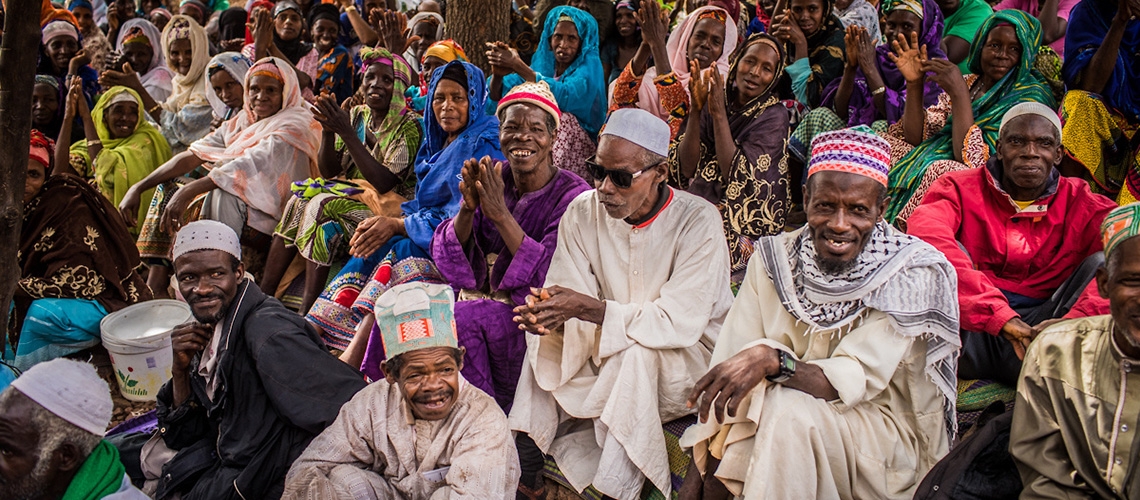
Joint Statement: The Heads of the World Bank Group, IMF, WFP, and WTO Call for Urgent Coordinated Action on Food Security

  • Proposed actions to help vulnerable countries include providing emergency food supplies and deploying financial support to households and countries; facilitating unhindered trade; investing in sustainable food production and nutrition security.
  • Leaders call on the international community to support vulnerable countries through grants to cover urgent financing needs.

WASHINGTON, 13 April 2022— The Heads of the World Bank Group (WBG), International Monetary Fund (IMF), United Nations World Food Program (WFP), and World Trade Organization (WTO) today called for urgent action on food security. World Bank Group President David Malpass, IMF Managing Director Kristalina Georgieva, WFP Executive Director David Beasley and WTO Director General Ngozi Okonjo-Iweala issued the following joint statement ahead of the Spring Meetings of the IMF and World Bank Group next week:

Continue reading
Getting it right on development: We do not have to choose between people and climate

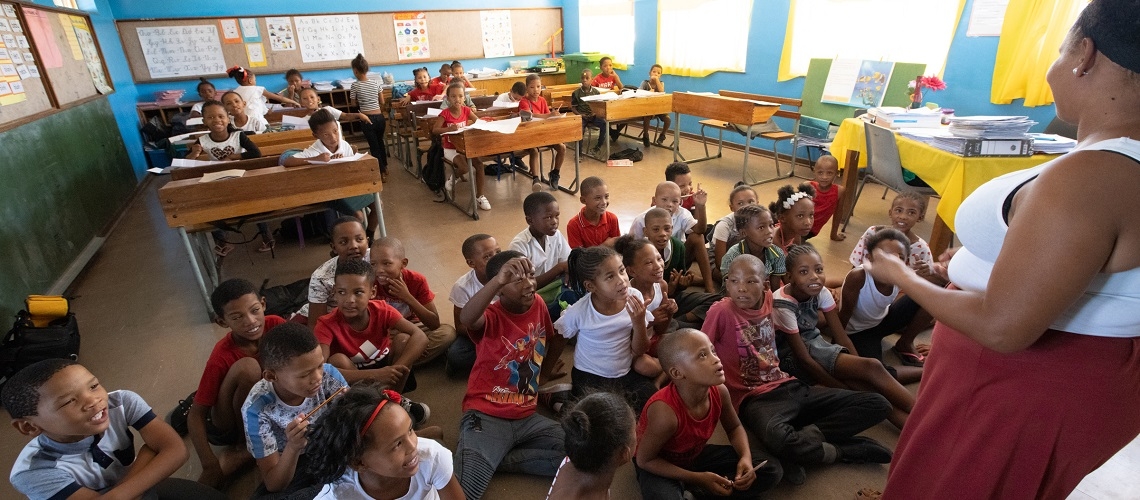
There is no doubt that climate change is profoundly unjust.  The world’s poorest countries did cif_south_africa_50268208563_6a25241b63_o_1the least to contribute to global emissions historically and poorer people within countries emit less than their rich neighbors. Nonetheless, poorer countries and poorer people are more vulnerable to climate impacts. They tend to be more exposed to climate change impacts, for instance living in places exposed to floods, working in occupations like agriculture, or lacking access to improved water and sanitation. And they have fewer resources to adapt and invest in protecting themselves.  
Continue reading

Braving the Storms: The outlook for East Asia and the Pacific, illustrated

The Russian invasion of Ukraine threatens the uneven recovery of developing East Asia and Pacific (EAP) countries.   The invasion comes on top of the economic distress caused by the lingering COVID-19 pandemic, the financial tightening in the United States, and the pandemic resurgence and the economic slowdown in China. While commodity producers and fiscally solid countries in the region may weather these shocks with less difficulty, these events will dampen the growth prospects of most economies in the region. Overall economic growth is projected to slow to 5 percent in 2022— 0.4 of a percentage point less than expected in October.  If global conditions worsen and national policy responses are weak, growth could ease further.

Continue reading

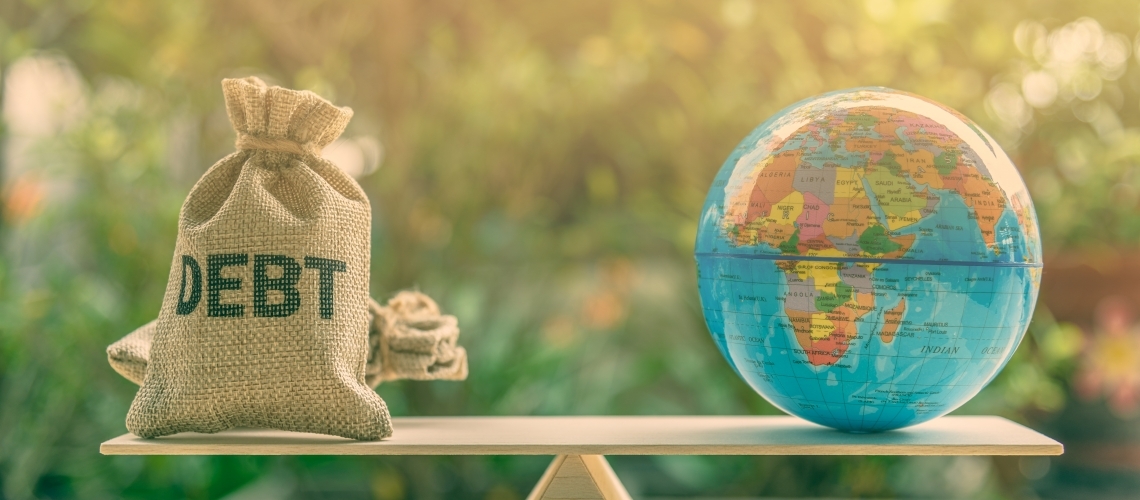
Are we ready for the coming spate of debt crises?

Higher inflation. Slower growth. Tightening financial conditions.

In recent weeks, Russia’s invasion of Ukraine has exacerbated global economic risks.  There is a fourth element, however, that could make the mix combustible: the high debt of emerging markets and developing economies.

Continue reading

Is there a best way to target social assistance?

Global Economic Prospects 2022

The global recovery is set to decelerate markedly amid continued COVID-19 flare-ups, GEP-2022a-Front-Coverdiminished policy support, and lingering supply bottlenecks. In contrast to that in advanced economies, output in emerging market and developing economies (EMDEs) will remain substantially below the pre-pandemic trend over the forecast horizon. The global outlook is clouded by various downside risks, including renewed COVID-19 outbreaks due to Omicron or new virus variants, the possibility of de-anchored inflation expectations, and financial stress in a context of record-high debt levels. If some countries eventually require debt restructuring,
this will be more difficult to achieve than in the past. Climate change may increase commodity price volatility, creating challenges for the almost two-thirds of EMDEs that rely heavily on commodity exports and highlighting the need for asset diversification. Social tensions may heighten as a result of the increase in between-country and within-country inequality caused by the pandemic. Given limited policy space in EMDEs to support activity if needed, these downside risks increase the possibility of a hard landing. These challenges underscore the importance of strengthened global cooperation to foster rapid and equitable vaccine
distribution, proactive measures to enhance debt sustainability in the poorest countries, redoubled efforts to tackle climate change and within-country inequality, and an emphasis on growth-enhancing policy interventions to promote green, resilient, and inclusive development and on reforms that broaden economic activity to decouple from global commodity markets.


Full Report


We are losing a generation: The devastating impacts of COVID-19

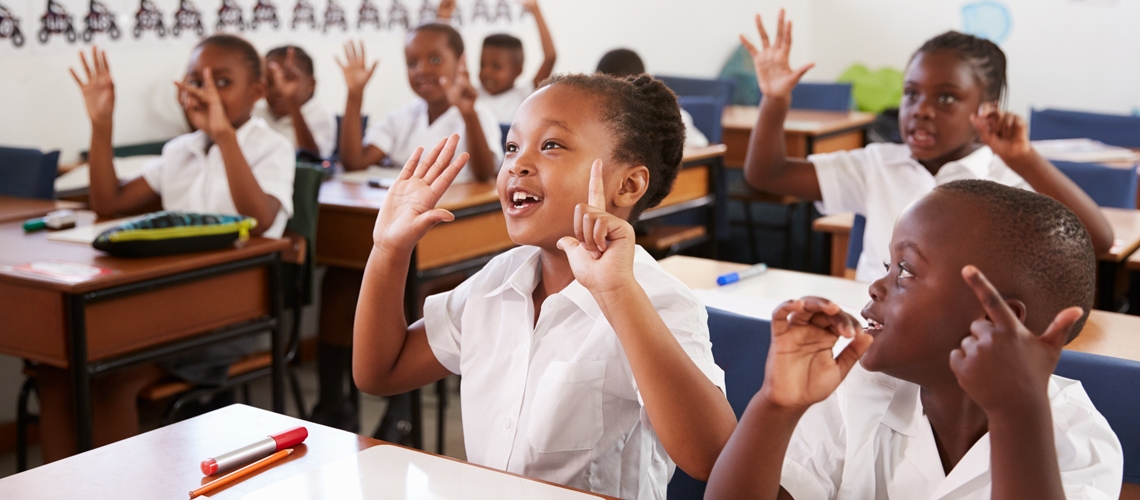
Governments across the globe will spend about $5 trillion on K-12 education this year.  Butindermit_leadunless they get all children and young people back to school, keep them in class, and recover the central elements of learning, this generation could lose twice or three times that amount in earning losses.
The first impact was the millions of lives lost due to the disease caused by the COVID 19 virus. The second was the human suffering caused by job instability and poverty. The third is on children and youth who should have been in school but were told to stay at home.

Continue reading

eC2: Climate Smart Agri Value/supply chains Specialist STC

Deadline:  24-Mar-2022 at 11:59:59 PM (Eastern Time – Washington D.C.)

Agricultura digital

The objective of this assignment is to assist IFCs CF (FIs) in the Africa Region, to develop and grow their agri supply/value chains, cooperatives and FPOs (referred to as segment) portfolio and pipeline of eligible CSA assets.

Continue reading

International Women’s Day 2022—Accelerate Equality: Experience the Impact When you Break the Bias

On the occasion of International Women’s Day 2022, we at the World Bank Group will220x220-East Asia Pacific Gender celebrate women’s achievements and contributions with a series of events and engagements – we look forward to your participation!

The UN theme for this year’s International Women’s Day is Gender equality today for a sustainable tomorrow, recognizing the contribution of women and girls around the world, who are leading the charge on climate change adaptation, mitigation, and response, to build a more sustainable future for all.”  

Continue reading