
See note below from USAID
—————————————————————-
Dear Partners,
On Tuesday, March 23 at 8:30am ET, we will host our FY 2023 Second Quarter Business Forecast and Partner Update webinar. You can click here to register.
Submitting Business Forecast Questions
In advance of the event, we invite organizations to send questions specifically related to opportunities on the Business Forecast. Please see below instructions for submitting questions:
- You can submit using the following Google Form: USAID Business Forecast Submission Form (You may submit more than one). OR
- Send questions in email using this Excel template to BusinessForecast@usaid.gov.
Please be sure to label each question with the project name as indicated on the Business Forecast, as well as the Country/Mission/Bureau/Operating Unit, as applicable.
Please send all questions to BusinessForecast@usaid.gov by no later than close of business on Wednesday, March 1, 2023.
Following the webinar, we will post responses to all of the Business Forecast-related questions on USAID.gov, along with a transcript and recording of the event.
If you have not participated in one of USAID’s Business Forecast calls, you can access previous recordings and transcripts here.
We look forward to answering your questions and speaking with you in a few weeks.
USAID Industry Liaison Team
 planes that move goods around the world contribute to greenhouse gas emissions. And the production of goods that are traded internationally – from foods like wheat and corn to goods like steel and cement – are also sources of emissions. All told,
  and what kind of impact is climate change having? We sat down with Charlotte De Fontaubert, Global Lead for the Blue Economy at the World Bank, to learn about the state of our oceans and what the World Bank is doing to help keep them healthy and productive.
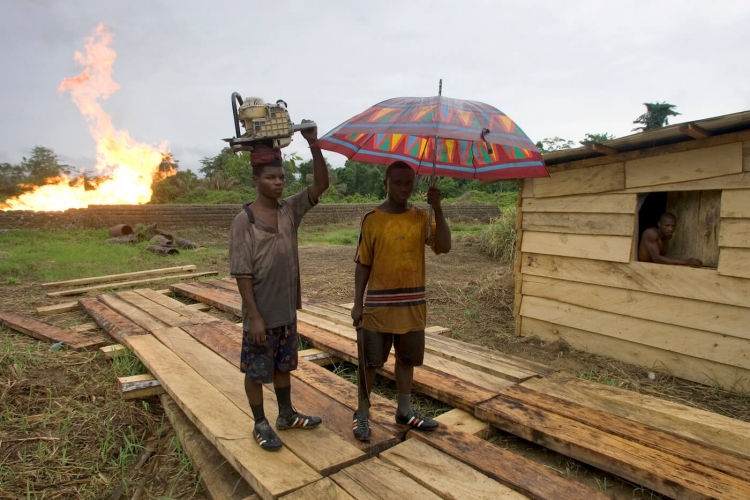 ambition that sits at the nexus of climate change mitigation and energy policy. Developed by the World Bank and launched in 2015 by the UN, World Bank and several governments, along with oil companies and development institutions, the Zero Routine Flaring initiative is designed to end an oil industry practice that has existed since oil production first began more than 150 years ago.
 increased to levels not seen in more than a decade, to 150 billion cubic meters (bcm), equivalent to the total annual gas consumption of Sub-Saharan Africa.
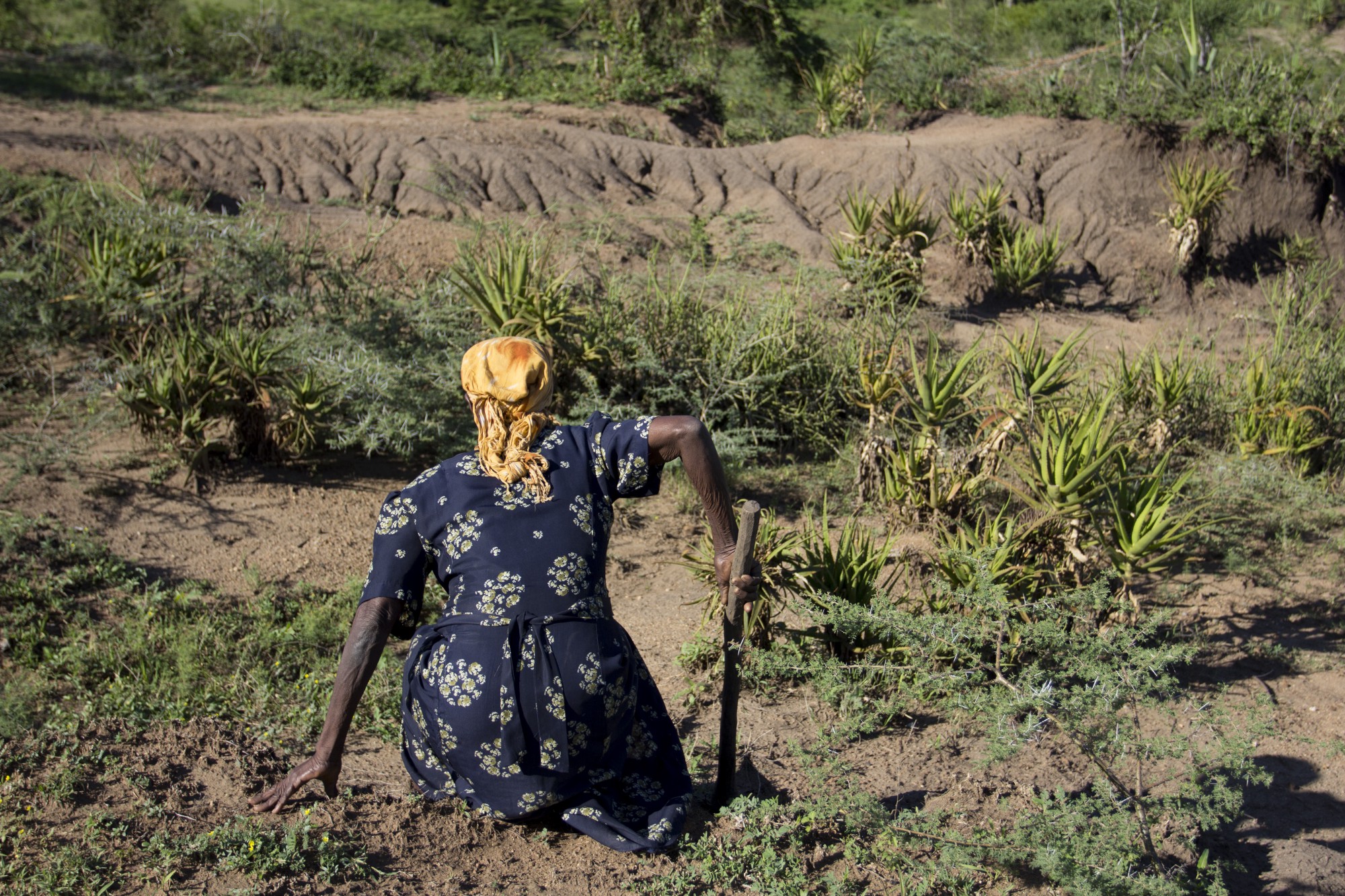 been in the market for weather forecasts that help them decide when to plant and harvest to mitigate climate risks. Earlier this month, the 48th session of the Intergovernmental Panel on Climate Change delivered sobering news: the
  Netherlands for the World Bank
You must be logged in to post a comment.