
WASHINGTON, February 23, 2026 – Six countries of the Congo Basin—Cameroon, Central African Republic, the Democratic Republic of Congo, Equatorial Guinea, Gabon, and Republic of Congo—are working to take bold steps to unlock results-based payments and climate finance. The newly launched Strategic Roadmaps for Carbon Market and Climate Finance in the Forest Sector for the Congo Basin Countries developed with support from the World Bank, serve as blueprints to transform the region’s vast forest wealth into a powerful engine for climate-resilient growth and sustainable development and green jobs.
Continue readingTag Archives: Carbon
Climate Policies for a Low-Carbon Future: Lessons from 25 Case Studies
State and Trends of Carbon Pricing 2023
STORY HIGHLIGHTS
- Food insecurity is among the most pressing challenges in Yemen and over half of the population is food insecure.
- Yemen has suffered from a series of food crises and climate change increases the risk of further crises.
- A food security crisis preparedness plan has been developed to mitigate the impact of future food crises.
ACCELERATING TOWARD GREEN AND INCLUSIVE MOBILITY
Transforming Transportation March 14-15, 2023
Climate change, COVID-19, and macroeconomic indicators continue to disrupt the global transport sector – and the people and businesses that rely on it – in unprecedented ways.
Transforming Transportation 2023, the 20th edition of this flagship event, will be an in-person, face-to-face experience organized at the World Bank Headquarters in Washington, DC, on March 14-15, 2023. Transport professionals will meet and engage in innovative ways to learn, interact, and create new connections. New online features will also enable virtual attendance of most sessions.
Transforming Transportation 2023 will consider the current economic scenario, post-COVID recovery, and COP27 commitments as starting points to reimagine transport to make it more inclusive, safe, sustainable, and efficient for everyone.
Blue Economy for Resilient Africa Program
About the Blue Economy for a Resilient Africa Program 
The African Union estimates that the Blue Economy currently generates nearly US$300 billion for the continent, creating 49 million jobs in the process. These and other crucial benefits—most notably food security, livelihoods, and biodiversity—are entirely dependent on the ocean’s health. By safeguarding and enhancing marine and coastal health, countries will be in a better position to take full advantage of future Blue Economy opportunities, which range from sustainable blue energy to aquaculture to blue carbon.
Continue reading
Costa Rica’s Forest Conservation Pays Off
STORY HIGHLIGHTS 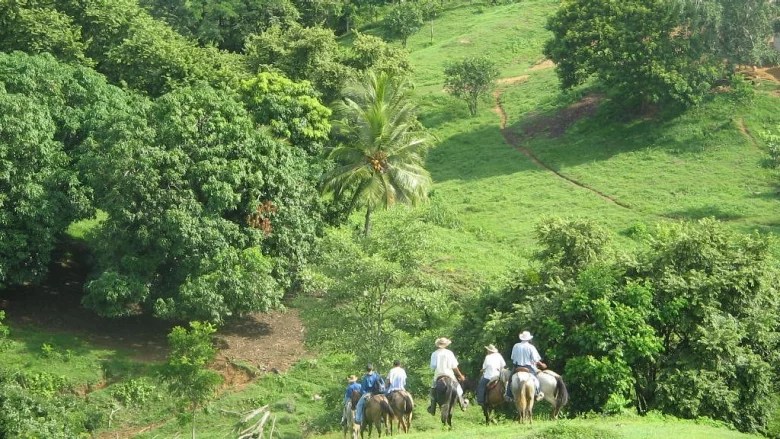
- Costa Rica has become the first country in Latin America and the Caribbean to receive payments from the World Bank’s Forest Carbon Partnership Facility for reducing carbon emissions from deforestation and forest degradation—commonly known as REDD+.
- This first payment – of $16.4 million for independently verified emission reductions — is a milestone for Costa Rica.
- Results-based climate finance such as payments for emission reductions increasingly is being used to incentivize climate action and help countries achieve their Nationally Determined Contributions to the Paris Agreement.
Countries Could Cut Emissions by 70% by 2050 and Boost Resilience with Annual Investments of 1.4% of GDP
Low- and middle-income countries can transition to low-carbon, resilient growth pathways if key conditions are met with international support
WASHINGTON, Nov. 3, 2022—Investing an average of 1.4% of GDP annually could reduce emissions in developing countries by as much as 70% by 2050 and boost resilience, according to a new report from the World Bank Group.
 Netherlands for the World Bank
You must be logged in to post a comment.