
The 2022 IMF-World Bank Group Annual Meetings: Unity in a time of crises
As we prepare for the upcoming IMF-World Bank Group Annual meetings, the impacts of the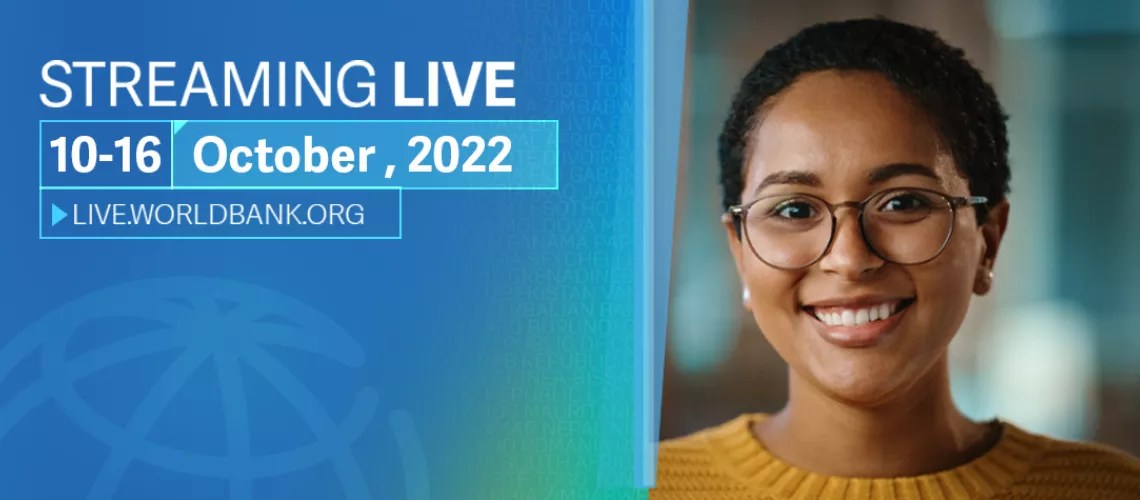 ongoing economic crisis continue to bear down on nearly all facets of the global economy – pushing more people into poverty and impacting lives and incomes around the world. The pandemic has forced roughly 70 million more people into extreme poverty and global median incomes declined for the first time since measurements began in 1990.
Further complicating these global development challenges are the effects of the high food, fuel, and fertilizer prices rippling through the supply chains of an interconnected world, creating global disruptions and battering incomes and livelihoods – especially among the poorest and most vulnerable populations around the globe.
The 2022 IMF-World Bank Group Annual Meetings: Unity in a time of crises
As we prepare for the upcoming IMF-World Bank Group Annual meetings, the impacts of the ongoing economic crisis continue to bear down on nearly all facets of the global economy – pushing more people into poverty and impacting lives and incomes around the world. The pandemic has forced roughly 70 million more people into extreme poverty and global median incomes declined for the first time since measurements began in 1990.
Further complicating these global development challenges are the effects of the high food, fuel, and fertilizer prices rippling through the supply chains of an interconnected world, creating global disruptions and battering incomes and livelihoods – especially among the poorest and most vulnerable populations around the globe.
Annual Meetings Live Events
Join leaders, experts and activists to discuss how we can best respond to the multiple overlapping crises facing developing countries. How can we work together to navigate an uncertain world? Read more
October 10-16, 2022
Set reminders to join the live events and post questions for our development experts.
Check back for regular updates and event highlights.

The 2022 IMF-World Bank Group Annual Meetings: Unity in a time of crises
As we prepare for the upcoming IMF-World Bank Group Annual meetings, the impacts of the ongoing economic crisis continue to bear down on nearly all facets of the global economy – pushing more people into poverty and impacting lives and incomes around the world. The pandemic has forced roughly 70 million more people into extreme poverty and global median incomes declined for the first time since measurements began in 1990.
Further complicating these global development challenges are the effects of the high food, fuel, and fertilizer prices rippling through the supply chains of an interconnected world, creating global disruptions and battering incomes and livelihoods – especially among the poorest and most vulnerable populations around the globe.
Annual Meetings Live Events
Join leaders, experts and activists to discuss how we can best respond to the multiple overlapping crises facing developing countries. How can we work together to navigate an uncertain world? Read more
October 10-16, 2022
Set reminders to join the live events and post questions for our development experts.
Check back for regular updates and event highlights.
Annual Meetings Live Events
Join leaders, experts and activists to discuss how we can best respond to the multiple overlapping crises facing developing countries. How can we work together to navigate an uncertain world? Read more
October 10-16, 2022
Set reminders to join the live events and post questions for our development experts.
Check back for regular updates and event highlights.
World Bank East Asia and Pacific Economic Update, October 2022 : Reforms for Recovery
 half of 2022, but China lost momentum. In much of the region, domestic demand revived after the distress of the COVID-19 Delta wave. In China, the public health measures to contain outbreaks of the highly infectious Omicron variant inhibited consumption. Most of the region is projected to grow faster and have lower inflation in 2022 than other regions. Beyond the end of 2022, three factors could be a drag on growth: global deceleration, rising debt, and policy distortions. Current measures to contain inflation and debt are adding to existing distortions in the markets for food, fuel and finance in ways that could hurt growth. In each case, more efficient measures could address current difficulties without undermining longer-term objectives.
Citation
What does it take to deliver quality early learning that nurtures children’s full potential?
Quality early childhood education (ECE) is one of the most important investments societies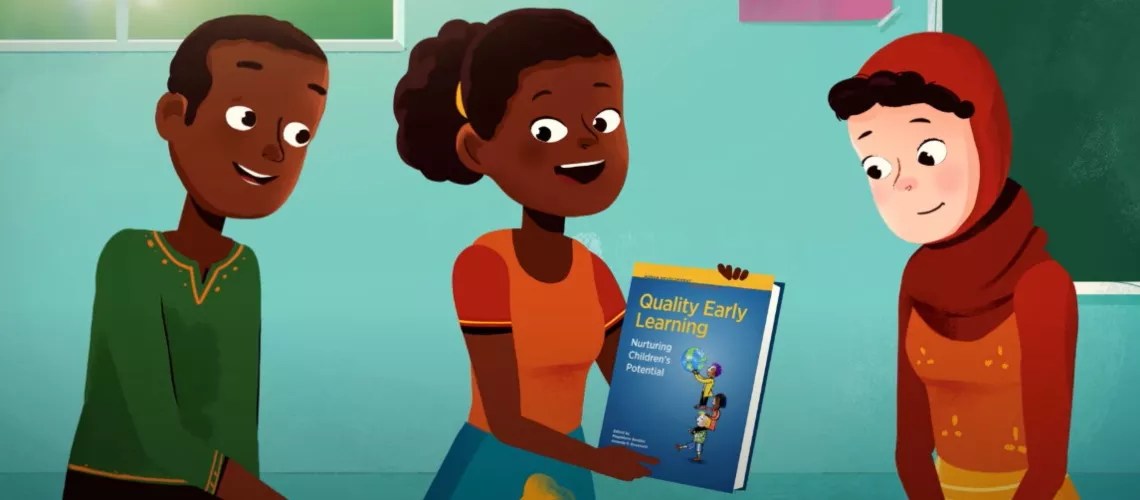 can make to help children build strong foundations that will support a lifetime of learning. This summer, we launched the World Bank’s new volume Quality Early Learning: Nurturing Children’s Potential, which makes the case for more and better investments in quality ECE to make the most of its enormous potential. The volume distills the evidence on the best ways to support a child’s early learning, bringing together insights from renown researchers and implementation experts across multiple disciplines—including neuroscience, psychology, education, and economics—on what it takes to deliver the critical elements of quality ECE at scale in low- and middle-income countries.
Annual Meetings Live Events
Join leaders, experts and activists to discuss how we can best respond to the multiple overlapping crises facing developing countries. How can we work together to navigate an uncertain world? Read more
October 10-16, 2022
Set reminders to join the live events and post questions for our development experts.
Check back for regular updates and event highlights.
 Netherlands for the World Bank
You must be logged in to post a comment.