
Deadline: 27-Nov-2019 at 11:59:59 PM (Eastern Time – Washington D.C.)
This project is anticipated to result in the following outcomes:
i. Improved understanding by task teams and counterparts on seismic vulnerability of buildings and consideration during preparation of new EE operations
ii. Seismic vulnerability considerations systematically integrated into eligibility criteria and building-specific assessments for EE investments.
iii. Knowledge on safer public facilities is deepened
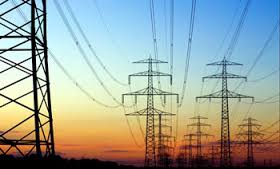
 clean energy for Lighting and household appliances (TV, radio, fan etc.), (b.) clean energy for cooking, and (c.) clean energy for productive use (agribusiness, driers, cold storage, etc.) The study would require both primary and secondary data collection and need to be complemented by interviews with local authorities, Ugandan national officials, refugee and host community representatives (including exclusive interviews with women with an appropriate gender lens), UNHCR, active development partners, relevant private companies and a review of relevant literature.

 wrong reasons.



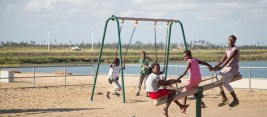
 sometimes recess lasts all day because the teacher doesn’t come to work.
 markets to invest in development projects. Through its arm for middle-income countries, the International Bank for Reconstruction and Development (IBRD), the World Bank Group funded public sector projects like roads, green energy, health or education systems; and through the International Finance Corporation (IFC), it provided capital to the private sector in developing countries to help businesses grow and provide jobs, taxes and other wider societal benefits.


You must be logged in to post a comment.