
Although global economic output is recovering from the collapse triggered by COVID-19, it will  remain below pre-pandemic trends for a prolonged period. The pandemic has exacerbated the risks associated with a decade-long wave of global debt accumulation. It is also likely to steepen the long-expected slowdown in potential growth over the next decade. In his Foreword, World Bank Group President David Malpass notes that “Making the right investments now is vital both to support the recovery when it is urgently needed and foster resilience. Our response to the pandemic crisis today will shape our common future for years to come. We should seize the opportunity to lay the foundations for a durable, equitable, and sustainable global economy.”
Tag Archives: Wereldbank Groep
How Asia Pacific can turn COVID crisis into an opportunity
Bold policies needed to boost economic recovery and improve social stability 
Like Hydra, the many-headed monster of Greek myth, COVID-19 is proving hard to suppress even a year after the first case was confirmed in Wuhan.
But the longer-term impact of COVID on the region will depend less on the virus than on policy decisions and how governments respond.
GLOBAL DISRUPTIVE TECH CHALLENGE 2021: Restoring Landscapes in the Aral Sea Region
The Challenge aims to identify and support disruptive technologies and innovative approaches to landscape restoration in the Aral Sea region (Kazakhstan and Uzbekistan). The challenge will select innovators (individuals or entities) from around the world to change the lives of millions of people in the Aral Sea region. Proposals obtaining the best scores will obtain Recognition and Awards in the form of cash and/or in-kind.

This is your opportunity to help change millions of lives, while showcasing your innovative idea before a global audience.
Join the Challenge, get recognition from experts and international organizations, and become part of a restoration community.
December 31, 2020: Our work in 2020 and the challenges ahead in 2021
A message from World Bank Group President Mr. Malpass
Friends, 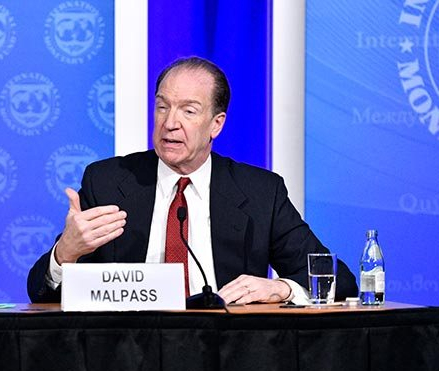
As the year draws to a close, I would like to take this opportunity to highlight some of our work in 2020 and challenges ahead.
While some countries have begun a recovery from COVID-19, many continue to suffer lasting health and economic risks. The World Bank Group is working hard to address the unequal toll of the global pandemic. Since April, we have been providing support on an unprecedented scale, focusing first on the health emergency, as well as on the broader recovery goals and vaccination needs.
eC2: Feasibility study on Plastic-Free Rivers in Sri Lanka
Deadline: 14-Jan-2021 at 11:59:59 PM (Eastern Time – Washington D.C.) 
This assignment is to undertake an evidence-based analysis of the contribution of plastic waste to water pollution in the rivers and water bodies in Sri Lanka, in order to: (1) inform investment priorities to manage clean-up of rivers and water bodies in Colombo and beyond; (2) inform new policies aiming at preventing plastic in water bodies and contribute to practical solutions to improve land-based waste management services such as collection, recycling, and treatment, and contribute towards circular economy agenda; (3) inform and strengthen the diagnostic study on riverine pollution, focusing on defining the value-chain of collection, sorting reuse and recycling of riverine waste in Sri Lanka; and (4) understand and further develop local and community-based or small private sector-based approaches for plastics interception and reuse / recycling of collected solid waste.
eC2: Technical Assistance on Clean and Energy Efficient cooling solutions for Livestock Supply Chains
Deadline: 12-Jan-2021 at 11:59:59 PM (Eastern Time – Washington D.C.)
Specific activities include: (1) conduct a market needs assessment of cold chain infrastructure and logistics in livestock value chains in Bangladesh, by assessing gaps and needs among different user groups, and identifying adapted technical, management and institutional solutions; and (2) develop policy and practical guidance notes to enable policy action and support the design of investment in clean and efficient cooling and along livestock value chains.
eC2: Offshore Wind Roadmap for the Philippines
Deadline: 11-Jan-2021 at 11:59:59 PM (Eastern Time – Washington D.C.)
A study to provide strategic analysis on the role that offshore wind could play in meeting future power demand and presents different options of industry development pathways for future activities in the Philippines.
2020!
This time last year, concepts such as “lockdowns,” “mask mandates” and “social distancing” were unknown to most of us. Today they are part of our everyday language as the COVID-19 pandemic continues to affect our lives.
The Year in Charts: From Education to GDP – what was the impact of the pandemic in 2020? Our 12 charts help you understand this extraordinary year.
Looking Ahead: In a special year end edition of The Development Podcast, World Bank Group President David Malpass and Interim MD and COO of the IFC Stephanie von Friedeburg look back on 2020 and examine the path to a resilient recovery in 2021.
Global Solidarity: As 2020 comes to a close, investing in people is more important than ever, as we see the devastating impact that COVID-19 is having on people and economies worldwide. Global solidarity and protecting human capital is critical for accelerating progress.
Good Governance: Hoping to help stimulate debate on how governments can help end poverty and boost shared prosperity, we’ve curated some of our best blog posts on #GoodGov from 2020. Check out this interactive timeline.
Priorities in South Asia: As we wrap up this unprecedented year, we reflect on how the region faced the devastating impacts of the COVID-19 pandemic, rose to the challenge to create better development outcomes for its people and prepared for a more resilient future.
Tweet on! COVID-19 has shaken the water sector. As we look back at the tweets that got the highest engagement this year, we continue to be inspired by our Twitter community and their commitment to build a water-secure world for all. Here are the top 10 tweets of 2020 from @WorldBankWater.
Resilient Food Systems: COVID-19 tested the strength of both production and distribution (resulting in both food shortages and waste), highlighted the importance of good nutrition, and increased food insecurity in all countries. The spread of desert locusts compounded impacts of the pandemic, conflict, and climate change. Here are 20 stories, blogs, events, and interviews that explored challenges–as well as opportunities–that affected food and agriculture this year.
Climate Change Fight: Even with COVID-19 lending, the World Bank Group surpassed its climate finance target for FY20, allocating nearly $21.4 billion to climate-related investments. Here is a snapshot of 10 efforts the Bank Group advanced in climate action in this unprecedented year.
Challenge and Opportunity: For the Multilateral Investment Guarantee Agency (MIGA), 2020 started like many others until the pandemic struck. Here is a month by month look at how MIGA pressed forward this year.
Universal health coverage protects everyone
December 12 marks the International Universal Health Coverage (UHC) Day. This year’s theme 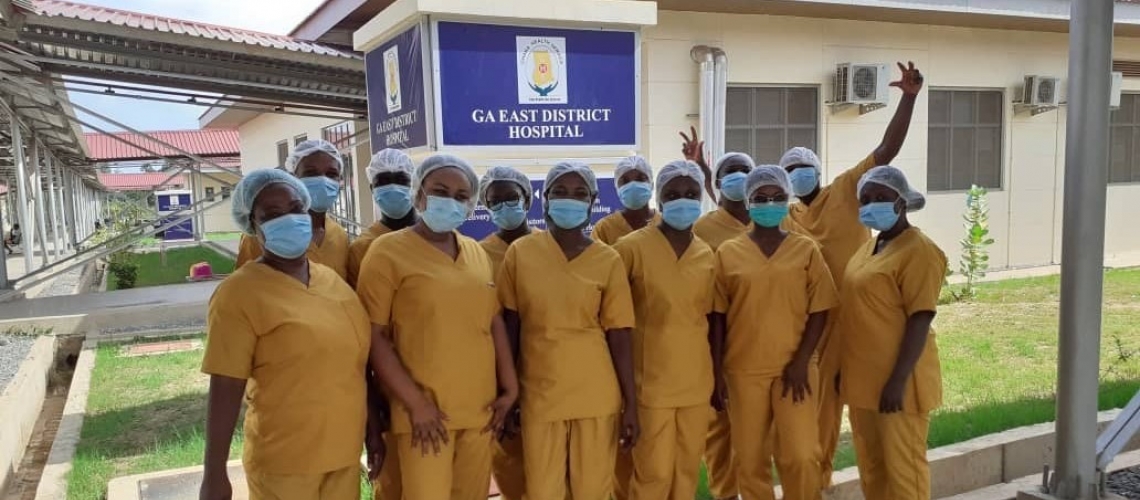 “protect everyone” cannot be more relevant amidst the global COVID-19 (coronavirus) pandemic.
UHC and preparedness are two sides of the same coin
for everyone without impoverishing cost to households.
Tackling the vicious cycle of fragility and water insecurity
Some 2.2 billion people around the world do not have access to clean drinking water, 4.2 billion do not have sanitation service, while 3 billion lack basic handwashing facilities. The consequences of this lack of access to basic services are disproportionately felt by the poorest and most vulnerable people living in fragile, and conflict-affected situations (FCS) since many of the most fragile countries are also those with the poorest services.


You must be logged in to post a comment.