eC2: Sustainable Lowland Agriculture in Indonesia

Deadline:  11-Jun-2018 at 11:59:59 PM (Eastern Time – Washington D.C.) indonesia
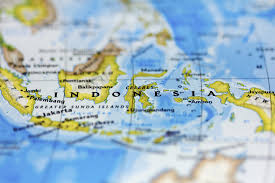
This study forms an important part of the World Bank’s Indonesia Landscapes Program. With many of the peatlands drained and in a state of degradation, rural livelihoods need to adapt to new threats and opportunities within the landscape. Given the government’s plans to restore currently drained and occupied lowland areas, an assessment is needed to identify potential alternative crops and sustainable production systems that are appropriate for smallholders in the affected lowlands. The outcomes of the analysis would inform an important policy discussion among the various government institutions, including the Ministries of Agriculture and Public Works and the Peatland Restoration Agency, to shape the business case for improved management of natural resources in Indonesia’s lowlands.
Continue reading

eC2: Analysis of Ethiopias Human Development (education and health) and safety net delivery systems in the lowlands

Deadline:  12-Jun-2018 at 11:59:59 PM (Eastern Time – Washington D.C.) untitled

There exist horizontal (inter-regional, intra-regional and inter-woreda) and vertical (income distribution) disparities in human development outcomes. Ethiopia is impacted by droughts which have the potential to undermine the development gains the country has made if not anticipated and responded to. Furthermore, Ethiopia is deeply affected by forced displacement and the country is hosting the second-largest refugee population in Africa with most refugees hosted along Ethiopia’s borders with the majority of the refugee camps situated in the lowlands where the implications of long-term refugee hosting have been felt most acutely. The increasing number and extent of droughts, coupled with the remaining challenges to ensure access to services for the most vulnerable, highlights the need to examine Ethiopia’s service delivery modalities and financing systems with a view to plan and prepare for chronic crisis adapting delivery to maximize investments in human development and to improve systems to respond to crises and ensure hard won development gains are not lost.

Continue reading