
Corruption has a disproportionate impact on the world’s most poor and vulnerable, increasing 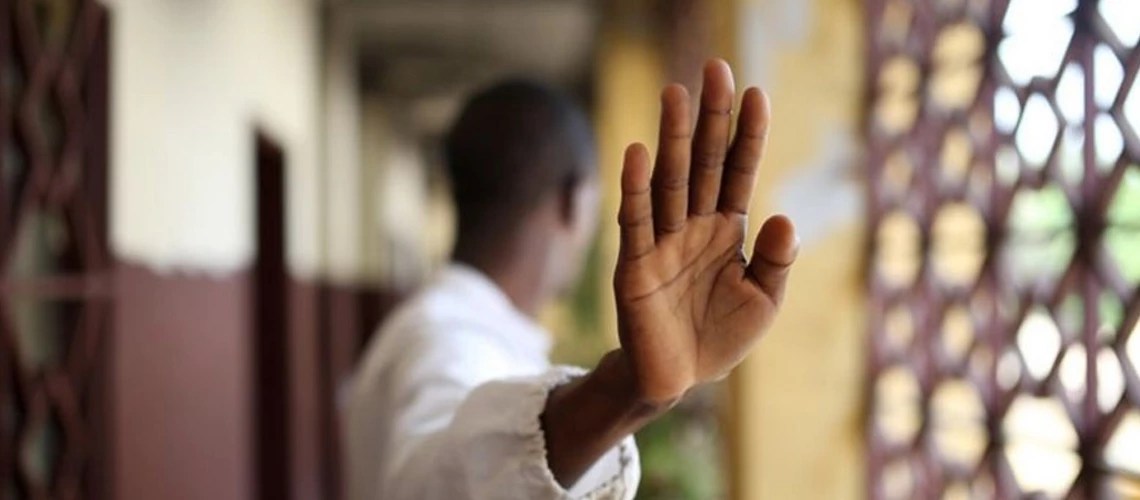 costs and reducing access to basic services. It erodes trust in governments and is a driver of conflict and fragility. It enables environmental and safety controls to be bypassed, contributing to pollution, environmental damage, and sub-par infrastructure. Corruption also affects private sector trust and investor confidence. And it reduces local revenue collection through tax erosion, depriving governments of resources for funding public goods.
Tag Archives: IDA
In the global development math, multiplication beats division
Concessional finance—that is, grants and low-interest loans—is more important than ever for  the world’s poorest countries. Yet today’s aid architecture is highly complex, fragmented, and offers limited concessionality. In this context, it’s important to find ways to leverage the available resources for the biggest, most effective impact.
Remarks by World Bank Group President Ajay Banga at the Lowy Institute in Sydney, Australia
As Prepared for Delivery
Thank you for the kind introduction.
For me, this moment marks the culmination of a journey that began over a year ago—when I first started at the World Bank and promised to visit every region where we operate.
Climate Finance Fiscal Year 2024 Snapshot
WASHINGTON, September 19, 2024 — The World Bank Group delivered a record $42.6 billion in climate finance in fiscal year 2024—which covers July 1, 2023 to June 30, 2024—supporting efforts to end poverty on a livable planet, investing in cleaner energy, more resilient communities, and stronger economies. This is a 10% increase in climate finance compared to the previous year.
Pacific Island Leaders Call for Bold Action to Replenish IDA (worldbank.org)
SUVA, September 10, 2024 –Leaders from across Pacific Island countries have called for a robust 21st replenishment of the World Bank’s International Development Association (IDA21), echoing the call from African Heads of State who agreed in April on a bold transformation agenda with IDA as a cornerstone. Hosted by the Pacific Islands Forum Secretariat, leaders and representatives from 11 countries met with World Bank Group President Ajay Banga last week and reaffirmed IDA’s critical role in supporting Pacific islands as they work to boost development and climate resilience.
Finding a path to peace, stability, and development in Haiti
Less than an hour after landing in Port-au-Prince, Haiti, on Wednesday last week we were 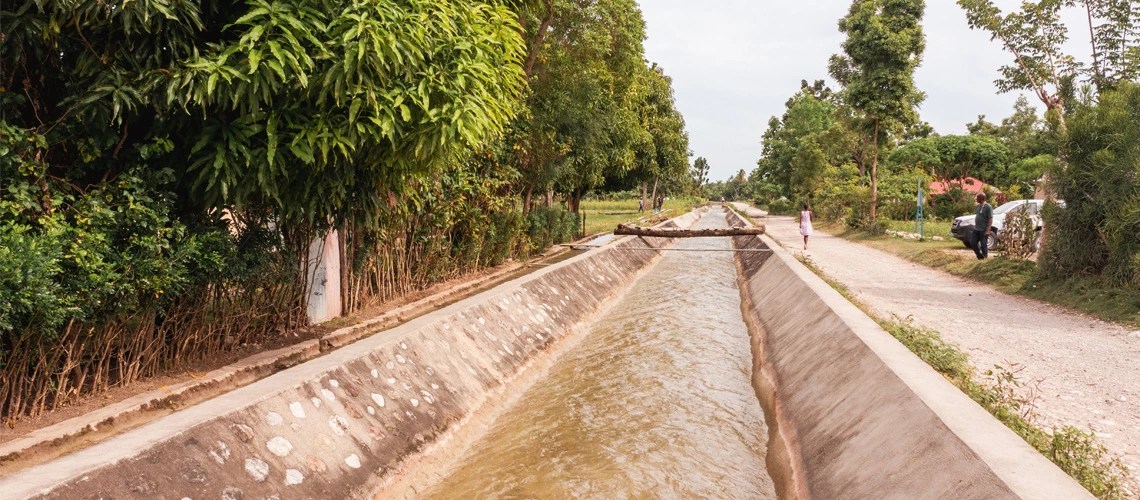 already at the National Emergency Operation Center of the Direction Générale de la Protection Civile discussing how the International Development Association (IDA) can help strengthen the country’s disaster risk management capacity. Remarkably, the center was launched in May 2024 despite the ongoing security and political crisis at the time, demonstrating the resilience of the IDA program implementation in Haiti. We witnessed similar results in other programs and during the field visit to the Southern Peninsula, where IDA projects are having a visible impact on the lives of the Haitian residents of that area.
World Bank Group Ramps Up Fight Against Global Hunger
Expanded ambition and partnership with the G20 Global Alliance Against Hunger and Poverty to reach at least 500 million people in need
Income Gap: “The Great Reversal” Facing the World’s Most Vulnerable Countries | World Bank Expert Answers
Despite High Potential, 75 Vulnerable Economies Face ‘Historic Reversal’
In Half of IDA Countries, Income Gap with Wealthiest Economies is Widening
Continue readingThe Great Reversal: Prospects, Risks, and Policies in International Development Association Countries
The 75 economies eligible for low-interest loans and grants from the World Bank’s International Development Association (IDA) had made notable progress against some important development objectives over the first two decades of this century. Despite this, on the eve of the COVID-19 pandemic, significant development gaps persisted, income convergence with advanced economies was slowing, and some vulnerabilities were rising.
 Netherlands for the World Bank
You must be logged in to post a comment.