
The ever-increasing pace of the development of artificial intelligence is having a  profound impact on the workforce. At the same time, new jobs become available that previous generations could not even fathom. Failure to prepare for these changes can have catastrophic impacts on economies.
Based on the 2019 World Development Report, the World Bank’s new course on the Future of Work will explore the various changes that result from advances in technology, what this means for the current and future workforce, and how we need to prepare for these changes.
 the future of work. Will robots replace humans in the work place? Will digital technologies create a new “digital divide” and widen inequalities between the higher-educated connected and lower-educated unconnected people? Will new opportunities open up for African countries to create jobs, improve incomes, reduce poverty and climb up the development ladder?
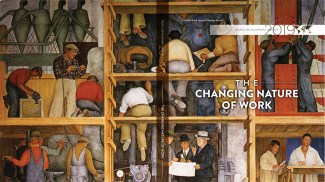 professional life will be available to your children, and to their children? At a time of strong global economic growth, it may seem paradoxical that we face an existential crisis around the future of work. But the pace of innovation is accelerating, and the jobs of the future – in a few months or a few years – will require specific, complex skills.
 “I like work, it fascinates me,” said Jerome K Jerome. “I can sit and look at it for hours.” We concur with the author of “Three Men in a Boat’, a novel which so fascinated Late Victorian England that, within a year of publication, the number of vessels on the River Thames had doubled.
 Netherlands for the World Bank
You must be logged in to post a comment.