
-
Climate change, poverty, and inequality are the defining issues of our age. Tackling
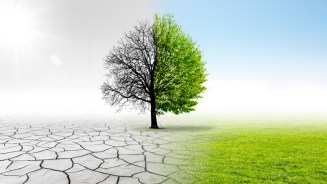 climate change will require major social, economic and technological changes, many of which are costly and will require large investments. Did you know…. Continue reading
Tag Archives: climate change
Climate Change Could Further Impact Africa’s Recovery, Pushing 86 Million Africans to Migrate Within Their Own Countries by 2050
Deep dives on climate migration in West Africa and Lake Victoria Basin
WASHINGTON, October 27, 2021— The World Bank’s new Groundswell Africa reports, released today ahead of the 26th session of the Conference of the Parties (COP 26), find that the continent will be hit the hardest by climate change, with up to 86 million Africans migrating within their own countries by 2050.
Taking Action: The World Bank Group’s Climate Priorities
Tackling climate change will require major social, economic and technological changes, many of which are costly and will require large investments. To achieve our climate objectives, it will be critical to integrate climate and development and identify projects at the country level that tackle mitigation and adaptation and channel appropriate sources and structures of financing toward these projects in a manner that maximizes impact.
Changing the Narrative – Trade is Part of the Solution to Climate Change
Climate discussions often focus on trade as a contributor to global warming. But with the right

Kitabi Tea Processing Facility in Kitabi, Rwanda
policies to encourage cleaner production and trade in climate-friendly goods and services, it can be part of the solution. Join us for a discussion on expanding this positive role in facilitating climate change mitigation and adaptation. Panelists will discuss how policymakers from low- and middle-income countries can help shape trade to address climate change policy, including potential areas for collaboration and partnerships, as well as ideas for capacity-building and technical assistance.
This event will be LIVESTREAMED on Sept. 29 at 8:30am ET
How Can Cities Tackle Climate Change & Biodiversity Loss in Nature-Smart Ways?
- There is renewed urgency to tackle biodiversity loss and climate change, both of which can wreak havoc on cities.
- Despite the obstacles, tremendous opportunities exist if we act together, now, to integrate biodiversity measures into urban development plans and policies.
- Our new webinar series, “Bringing Nature to Cities: Integrated Urban Solutions to Biodiversity Loss and Climate Change,” convenes decision-makers, experts, and practitioners from around the world to exchange knowledge and hasten collaboration.
What You Need to Know About the World Bank Group’s 2nd Climate Change Action Plan
To understand how the Climate Change Action Plan will drive climate action in countries, we sat down with Bernice van Bronkhorst, the Bank’s Global Director for Climate Change; Genevieve Connors, Practice Manager, Climate Change Advisory and Operations; Vivek Pathak, Director and Global Head of Climate Business at IFC; and Merli Baroudi, Director of Economics and Sustainability at MIGA.
Floods and Droughts: An EPIC Response to These Hazards in the Era of Climate Change
The Win-Win of Forest Protection: Enhancing Lives While Slowing Climate Change
STORY HIGHLIGHTS
- The World Bank’s $3.7 billion portfolio of 102 forest projects supports systemic, transformative engagement in more than 50 countries including Ghana, Indonesia, Lao People’s Democratic Republic, Mexico, Mozambique, Nepal, Vietnam and Zambia.
- From 2016-2020 during the implementation of the World Bank Group’s Forest Action Plan, nearly 6 million people benefited from World Bank forest and land management projects, including 1.1 million women and 225,000 Indigenous People.
- For example, in Indonesia, a Bank program in the Jambi province is reducing emissions from unsustainable land use while promoting alternative livelihoods such as sustainable fisheries, livestock and service industries that help take pressure off the province’s primary forests and peatlands.
Global Gas Flaring Tracker Report
Highlights
- Gas flaring, the burning of natural gas associated with oil extraction, takes place due to a range of issues, from market and economic constraints, to a lack of appropriate regulation and political will. The practice results in a range of pollutants released into the atmosphere, including carbon dioxide, methane and black carbon (soot).
- The Global Gas Flaring Tracker finds that oil production declined by 8% (from 82 million barrels per day (b/d) in 2019 to 76 million b/d in 2020), while global gas flaring reduced by 5% (from 150 billion cubic meters (bcm) in 2019 to 142 bcm in 2020).
- Russia, Iraq, Iran, the United States, Algeria, Venezuela and Nigeria remain the top seven gas flaring countries for nine years running. These seven countries produce 40% of the world’s oil each year, but account for roughly two-thirds (65%) of global gas flaring.
Deploying Digital Tools to Withstand Climate Change in Low-Income Countries
STORY HIGHLIGHTS

- Climate change is increasing the frequency of natural hazards.
- Disaster risk management specialists have improved the ability of countries to respond to risks, using a variety of digital technologies.
- Mapping, micro-tasking and visualizing tools are critical to reduce the impact of climate change in the world’s poorest countries.
 Netherlands for the World Bank
You must be logged in to post a comment.