
Results Highlights
Between 2018 and 2024, results achieved included:
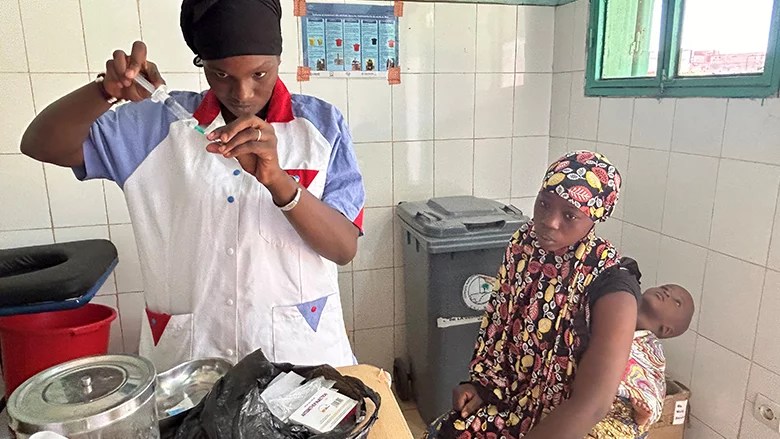
- Expanded and improved health services: Over 5 million people in Mali and Mauritania accessed basic health services, half of them women, far exceeding the original goal of 3.65 million. Health centers in targeted regions of both countries significantly improved quality through better equipment, staff training, and patient care.
- Obstetrics services: The share of pregnant women in conflict-affected areas of Mali completing key prenatal checkups tripled, from 13 percent at baseline to 38 percent. In Mauritania, 160,000 safe births were attended by trained staff (20 percent above target).
- Pediatrics: Mali delivered 1.17 million curative consultations for children under five, treating common illnesses such as malaria, respiratory infections, and diarrhea. In Mauritania, over 200,000 children were vaccinated, three times the initial goal, and almost 5 million curative consultation services were provided to children under five.
- Nutrition services: In Mauritania, 750,000 women and children received nutrition support, helping to combat malnutrition.
- Access to health care: By project end, 460,000 vulnerable people in Mali accessed essential health services free of charge. In Mauritania, over 1 million free health services were delivered to vulnerable populations, including refugees, and 81 percent of targeted poor households received cash support to access care.
- Birth control: Contraceptive use among teenage girls in Mali rose from 5.8 percent to 15.3 percent, nearly tripling. In Mauritania, the number of women using modern contraception increased from about 9,000 to over 240,000, far surpassing the original target.
From 2018 to 2024, World Bank–supported programs strengthened health systems and improved nutrition services in Mali and Mauritania, focusing on women and children in fragile and conflict-affected areas. Using performance-based financing and community-driven interventions, these programs significantly increased the use of maternal and child health services, improved the quality of care, and achieved high-impact outcomes despite insecurity and COVID-19– related shocks.
Challenge
The Sahel’s health and nutrition needs are severe, worsened by conflict. In Mali, 1 in 10 children died before age five and a woman’s lifetime risk of maternal death was 1 in 30. Mauritania also faced high maternal risk and stark urban–rural gaps (attended births in Nouakchott at 96 percent, compared to Guidimaka at 32 percent). Remote clinics lack staff and medicines, costs deter care, and refugee inflows strain systems. The challenge is delivering essential services at scale to vulnerable communities.
Approach
The World Bank used a straightforward approach: paying health providers for real, verified results. This performance-based financing gave local clinics the flexibility to hire staff, stock medicines, and repair equipment, linking better care to more resources. To help families use services, fees were removed, and small cash incentives encouraged checkups, safe deliveries, and vaccinations. Community health workers brought services to remote villages, while simple digital tracking and independent verification built trust, even during conflict and COVID-19. The model adapted to shocks and kept services running. Partnerships amplified impact: the Global Financing Facility helped fund programs; UNICEF supported nutrition and vaccine supply chains; and UNHCR helped reach refugees. Together, these efforts expanded access and improved the quality of essential health and nutrition services across fragile areas, showing that simple incentives and strong community engagement can drive meaningful progress even in difficult settings.

Beneficiary Quote
Before, we had to travel far to get care. Now we have a health center nearby, and I was able to give birth safely.
says Aïssata,
a mother in Mopti.
Her story reflects PACSU’s impact in bringing essential maternal health services closer to vulnerable communities in conflict-affected Mali.
World Bank Group Contribution
These programs advanced the World Bank’s “Healthier Lives” Scorecard outcome by expanding essential health and nutrition services for millions of women and children. They also supported the WBG Strategy for Fragility, Conflict, and Violence by strengthening basic services in insecure areas. In addition, the projects contributed to the “More and Better Jobs” Scorecard outcome by creating roles for community health workers and improving incentives for clinic staff, helping facilities hire and retain personnel and deliver better frontline care.
Lessons Learned
Two key lessons emerged. First, focusing on measurable results while allowing flexibility helped clinics improve care, even during shocks. Simple goals and incentives encouraged teams to solve problems locally and maintain services during crises such as COVID-19. Second, removing financial and geographic barriers enabled more women and children to seek care. Free essential services, small incentives for the poorest families, and trusted community health workers increased equity and confidence in the health system. These approaches show that prioritizing people’s needs and investing in the “last mile” are essential for sustained gains in fragile settings.
Next Steps
In Mali, the Advancing Resilience and Inclusive Health Systems for Everyone (ARISE-Keneya Yiriwali) project will take the pay-for-results model nationwide, supported by greater government co-financing and stronger preparedness for emergencies and climate shocks. It will help clinics hire staff, stock medicines, and reach remote communities. In Mauritania, the successor to INAYA has scaled this approach across underserved regions and refugee communities, using simple planning and tracking to keep progress on course and strengthen accountability. In both countries, the focus is on delivering better care, bringing services closer to people, and sustaining gains by supporting national financing reforms and local capacity—remaining aligned with universal health and well-being goals.
“Credit: World Bank Group. All rights reserved”
 Netherlands for the World Bank
You must be logged in to post a comment.