
Stories of resilience from Madagascar, the Central African Republic, and Egypt
We couldn’t even figure out how to face the next day or find food for our children.”
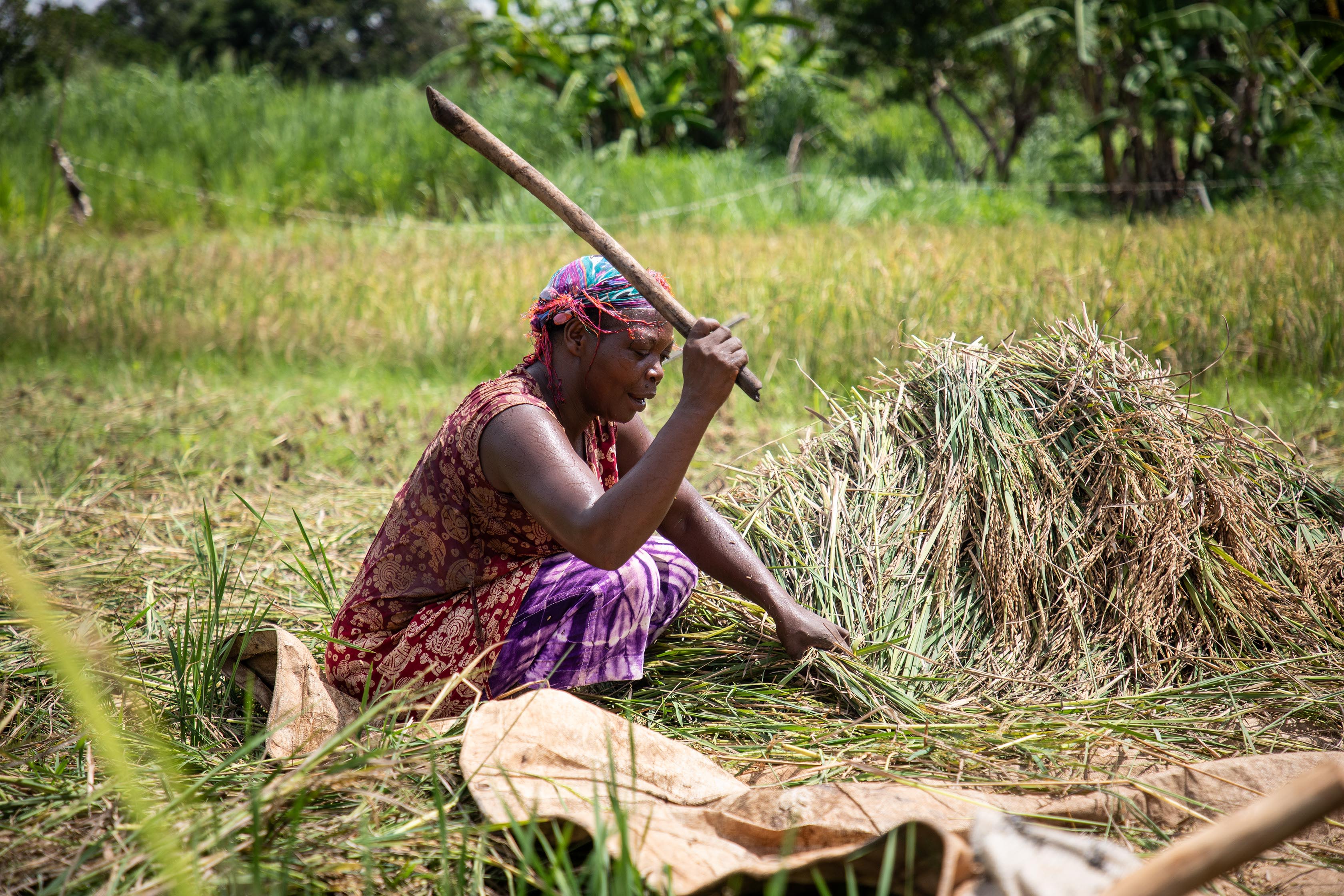
Volatsarasoa is a mother of four who lives in the village of Malangy, near the southern tip of Madagascar in one of the poorest regions in the country. With a fifth child on the way, she spends a lot of time thinking about a prosperous future for her children by learning from the experiences of her recent past.
When the El Niño phenomenon hit during the 2015-16 rainy season, Madagascar recieved just 50-80% of its normal precipitation – triggering a drought and crop yields that were 90% below normal.
“Me, my husband, and my children suffered a lot because there was no food, and we were starving. We barely ate, most of the time just a cup of rice for all of us, and only in the evening. It was very hard, and we couldn’t even figure out how to face the next day or find food for our children with everything going on I was worried. I was panicked.”
During this time of crisis, Volatsarasoa joined 325,000 other beneficiaries working with the Fiavota program – a social protection and nutrition grant program funded by the International Development Association (IDA), designed to improve the well-being of poor households improving their consumption, strengthening their resilience and encouraging families to invest more in human development through the education, health, and nutrition of their children.
In addition to cash transfers that helped Volatsarasoa overcome the direst challenges introduced by the drought, she also received trainings on money and asset management, climate smart agriculture, and hygiene – part of a “cash-plus” approach that links cash transfers with complementary services designed to foster sustainability beyond immediate assistance.
Seven years later, Volatsarasoa is utilizing the skills and knowledge she acquired through this program to provide for her growing family, as well as enhance the community around her.
She has since become a ‘Mother Leader’ in the community – elected by project participants to provide a direct link between program implementers and beneficiaries. They keep participants informed about the program, organize meetings for training and awareness-raising, and support the program objectives.
Volatsarasoa leads a community group of 25 women, coaching them on the same areas of money management and climate resiliency that have been so critical in helping her move past emergency assistance. The group has started a community garden and pool resources to buy things such as drought-resistant seeds, fertilizer, and other inputs.
This approach to building resiliency has shown great promise in Madagascar.
Those who have worked with the program are less likely to reduce the amount of food consumed per meal, reduce the number of meals they eat to cope with shocks, collect wild food for meals, sell household items or send household members to another home to eat.
Together, these effects mean that beneficiary households are more stable and can look for positive coping mechanisms to face shocks rather than negative mechanisms that make them more vulnerable.
“I bought sheets, I put my children back in school when I received money from Fiavota.“
More Food, More Jobs in the Central African Republic
“My dream is to intensify cassava production and diversify into food crops such as maize, groundnuts and beans so that we can reduce the unemployment rate a little.“
Bienvenu Victori Kanando is a cassava farmer in Zere Congot, in the Central African Republic, who recently expanded his operation from four workers to fourteen after increasing the area where he could dry his cassava.
In a country where more than 4 of the 6.1 million people rely on agriculture for their livelihood, an estimated 2.4 million suffer from food insecurity, and nearly 300,000 children under five are estimated to suffer from severe acute malnutrition.
Kanando’s efforts to bring in more jobs and food are already helping improve nutrition and livelihoods for his community.
“Instead of going far to dry their cassava, [villagers] can come here. And then, this helps the community too.”
The World Bank is helping farmers like Bienvenu Victori Kanando in the Central African Republic by helping to build and rehabilitate critical infrastructure through the provision of matching grants for community-driven projects.
Projects such as the Agriculture Recovery and Agribusiness Development Support Project are increasing agriculture productivity among small scale farmers, strengthening the capacity of micro, small and medium agribusiness enterprises, and providing immediate and effective responses to emergencies.
More than 186,000 people have benefitted from the project – including more than 102,000 women and 15,000 young people – through the provision of drying areas, development of markets, improvement of roads, and delivery of 2200 kilograms of groundnut and maize seed to replenish the country’s genetic heritage.
For Bienvenu Victori Kanando, working with the project has helped him move beyond subsistence farming and given him hope for a future where his community no longer suffers from the constant threat of food insecurity.
“If we have the right conditions, we can produce quality. And that’s going to help people, because everyone eats cassava. So, really, the goal is to intensify this culture so that, finally, everyone in this village and its outskirts has something to eat.”
Enhancing Resilience in Egypt
In Egypt, Ahmed Hussein Ibrahim stands next to a row of 12 grain silos currently holding some 60,000 metrics tons of grain. This site is part of a nationwide network of storage facilities that can hold 3.3 million tons of grain – representing nearly two months of consumption among Egypt’s population.
With help from the World Bank’s Emergency Food Security and Resilience Support Project, Ibrahim, the Manager of the Egyptian Holding Company for SiIos and Storage in Assiut, says the plan is to expand storage capacity to 100,000 tons, an increase of 40,000 tons annually.
“The expansion to our silos will improve wheat storage capacity … the project will benefit Egyptian citizens by securing food, as it will provide flour to mills to make subsidized bread.”
Food insecurity poses a challenge for millions in Egypt and bread is a central part of the diet of many people. Despite its sizeable domestic wheat production, Egypt relies heavily on wheat imports and this reliance makes the country more vulnerable when global crises disrupt supply chains.
Climate change also severely impacts agricultural production and high levels of wheat loss and waste due to dilapidated and inefficient storage infrastructure create more vulnerabilities and impact food security.
The ongoing war in Ukraine further compounds these challenges in Egypt, which imported 66% of its grain from Russia and an additional 25% from Ukraine prior to the war.
These factors highlight the continuing need to enhance grain storage throughout Egypt, to simultaneously boost total capacity, reduce post-harvest waste and link more farmers to markets.
As part of these efforts, the World Bank is supporting Egypt’s government to build and renovate grain silos, expanding Egypt’s strategic grain storage capacity by 750,000 metric tons.
Global Food Insecurity
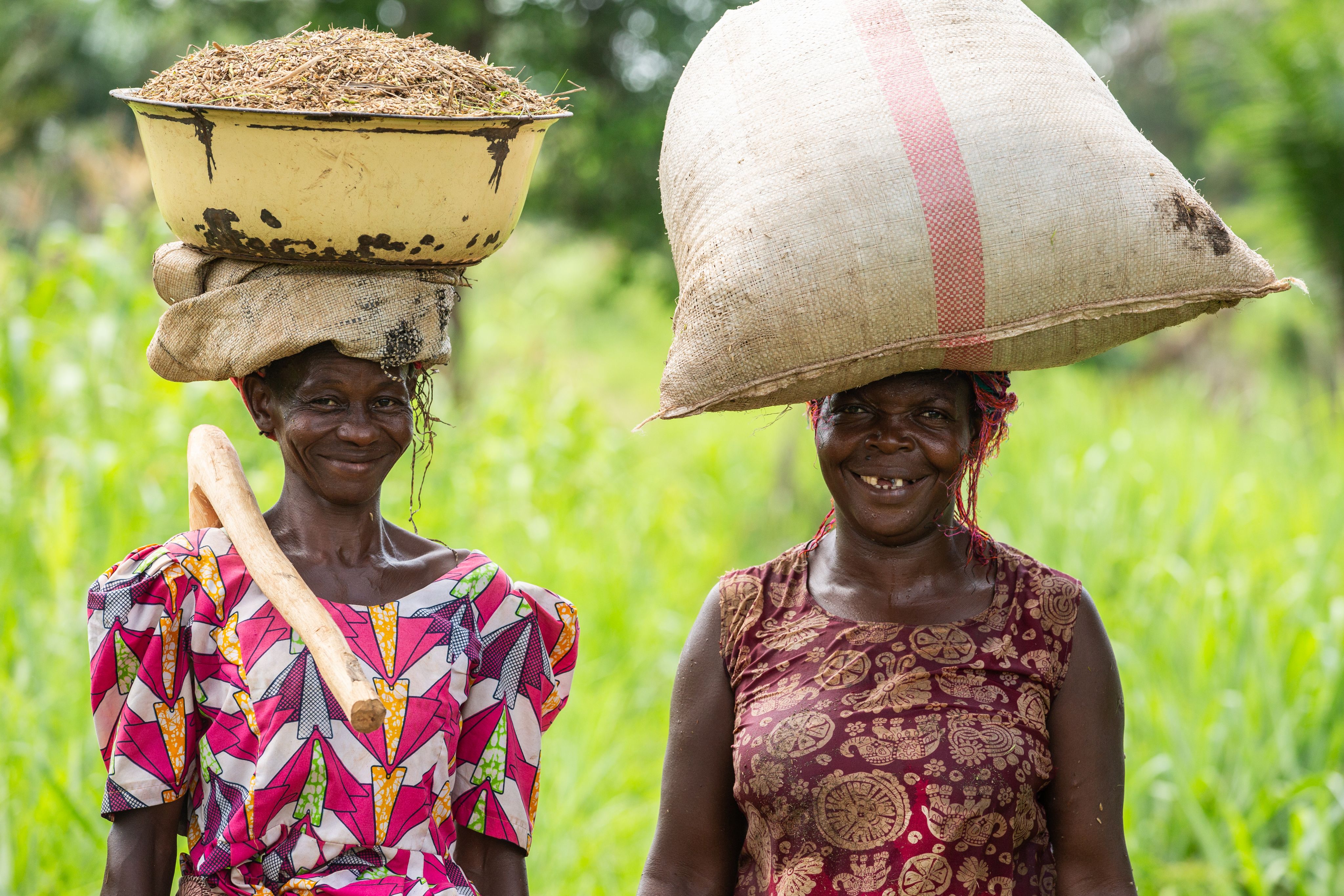
Stories of struggle in the face of food insecurity like Volatsarasoa’s are, unfortunately, all too common around the world. Increasing shocks from climate change, a global water crisis, loss of biodiversity, and other challenges continue to drive food insecurity and force more people into hunger. Projections show that nearly 670 million people will still face hunger around the globe by 2030.
In responding to these challenges, the World Bank takes a multi-faceted approach which focuses simultaneously on production and producers, supports vulnerable households with emergency and resiliency programs, and invests in sustainable food and nutrition.
 Netherlands for the World Bank